Top Tools for Tracking Multi-Cloud Expenses and Eliminating Hidden Spend in 2026
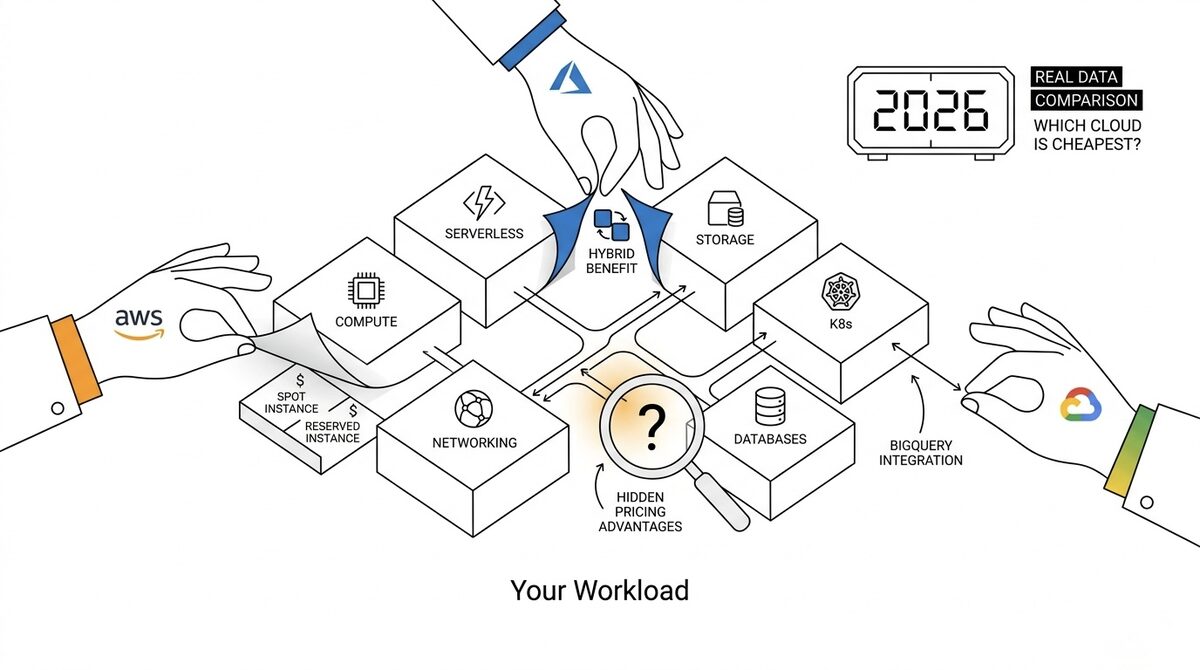
As SaaS and AI startups expand across AWS, Azure, and GCP, cloud cost optimization has moved from a finance-only challenge to a critical part of infrastructure modernization. Multi-cloud footprints in 2026 are growing more complex, leading to silent reliability risks, delayed modernization, and millions in hidden spend. Without the right tools, teams are forced to guess at usage trends, often paying for zombie workloads, inconsistent storage tiers, and fragmented reserved instances.
This guide covers the best platforms for multi-cloud cost tracking, how they integrate with FinOps practices, and the playbooks you can use to reduce cloud waste while building modern infrastructure. You will also get a practical framework for tool selection that aligns cloud financial management with scalability and performance.
Why Multi-Cloud Expense Tracking Matters in 2026
Cloud costs are no longer just a line item in the finance report. Modern workloads demand:
- Dynamic scaling across AWS, Azure, and GCP
- Real-time visibility into cross-cloud expenses
- Automated anomaly detection to prevent cost overruns
- Cost-to-service mapping to link spend with business value
Without proactive monitoring, companies risk:
- Paying for underutilized or idle compute resources
- Misaligning storage classes and reserved instances
- Failing to identify legacy system modernization opportunities
- Running into delayed releases due to surprise budget constraints
A strong cloud cost optimization strategy is foundational to both cloud migration and hybrid cloud modernization efforts.
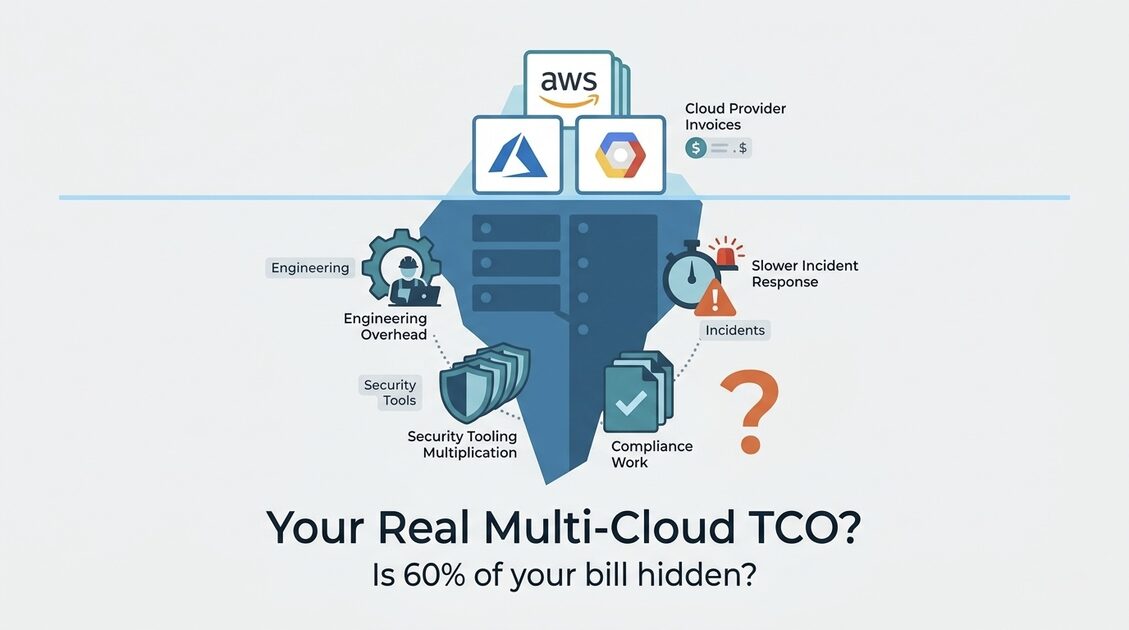
The Hidden Costs of Multi-Cloud Environments
Multi-cloud adoption introduces operational challenges that drive up costs, including:
- Fragmented Billing: Each cloud provider offers different invoice formats and service categorization.
- Shadow IT and Cloud Sprawl: Teams spin up workloads without centralized governance.
- Over-Provisioned Resources: Fear of downtime leads to over-provisioning compute and storage.
- Underutilized Reserved Instances: Commitments are often mismatched with actual usage.
A 2025 survey of 200 SaaS startups found that more than 40% of cloud waste came from untagged workloads or misaligned reserved instances. Without proper cost intelligence, FinOps teams cannot enforce accountability or support application modernization strategies.
Top 10 Multi-Cloud Expense Tracking Tools for 2026
Below is a curated list of platforms that offer real-time cost visibility, predictive analytics, and FinOps-driven optimizations.
1. CloudHealth by VMware
Best for: Enterprise-grade AWS cost optimization and hybrid cloud modernization
CloudHealth provides unified visibility across AWS, Azure, and GCP. Key features:
- Automated policy enforcement for cost anomalies
- Reserved instance and savings plan recommendations
- Tagging compliance dashboards
Use it for both financial governance and to identify workloads ready for legacy system modernization.
2. Apptio Cloudability
Best for: SaaS and AI startups implementing FinOps practices
Cloudability enables predictive analytics for cloud financial management:
- Real-time cost allocation by team or project
- Anomaly detection for sudden cost spikes
- Integrates with CI/CD workflows for DevOps transformation
3. Spot by NetApp
Best for: Automated workload right-sizing and cloud waste reduction
Spot specializes in optimizing compute costs with:
- Predictive workload scaling
- Automated savings recommendations
- Multi-cloud support for AWS, Azure, and GCP
4. Harness Cloud Cost Management
Best for: Integrating FinOps directly into CI/CD pipelines
Harness allows engineering teams to actively reduce cloud costs without manual effort:
- Dynamic cost dashboards
- Kubernetes cost allocation
- Built-in anomaly detection
5. Kubecost
Best for: Kubernetes-heavy workloads needing transparent cost attribution
Kubecost helps FinOps teams:
- Allocate costs per namespace, deployment, or team
- Identify inefficient Kubernetes resource usage
- Optimize hybrid cloud modernization strategies
6. Azure Cost Management + Billing
Best for: Native Azure cost management with cross-cloud visibility
Key features:
- Azure-native cost optimization insights
- AWS and GCP integration for unified reporting
- Supports hybrid and multi-cloud governance
7. AWS Cost Explorer and Trusted Advisor
Best for: AWS-first businesses starting their cost optimization journey
These native tools allow for:
- Detailed spending breakdowns by service
- Reserved instance and savings plan recommendations
- Proactive cost anomaly alerts
8. Google Cloud Cost Management Suite
Best for: Predictive GCP cost optimization
The GCP native suite provides:
- Cost forecasting and budget alerts
- Recommender engine for resource right-sizing
- Advanced tagging and attribution features
9. Flexera One
Best for: Advanced cloud financial management with modular reporting
Flexera One allows enterprises to:
- Analyze cloud waste and underutilized resources
- Benchmark multi-cloud spend against best practices
- Support cloud migration strategies with real usage data
10. Zesty
Best for: Automated real-time cloud cost optimization
Zesty dynamically adjusts cloud resources to match actual usage:
- Real-time EBS volume resizing
- Automated savings plan adjustments
- Supports both AWS and Azure environments
Practical Framework for Selecting a Multi-Cloud Tracking Tool
To choose the right platform, follow this 5-step framework:
-
Assess Your Current Multi-Cloud Footprint
- Identify all workloads across AWS, Azure, and GCP
- Determine the percentage of resources tied to legacy systems
-
Define FinOps Maturity Goals
- Decide whether you need reporting, anomaly detection, or full automation
-
Evaluate Integration Requirements
- Ensure tools integrate with CI/CD pipelines and cloud migration workflows
-
Run a 30-Day Pilot
- Test real-time anomaly detection and reporting capabilities
-
Map Costs to Business Outcomes
- Select platforms that link financial data to application modernization and reliability metrics
Step-by-Step Playbook to Reduce Cloud Costs in 2026
- Enable Unified Billing and Cost Aggregation
- Consolidate all cloud bills into one dashboard
- Tag and Categorize All Resources
- Use consistent tagging for teams, projects, environments
- Run Automated Right-Sizing Recommendations
- Use Spot or Zesty for compute optimization
- Implement Anomaly Alerts and Budgets
- Configure alerts in CloudHealth or Cloudability
- Align Spend with Modernization Projects
- Connect cost savings to hybrid cloud modernization or application migration roadmaps
Real-World Example: SaaS Startup Cloud Modernization
A Toronto-based AI SaaS startup adopted a hybrid cloud modernization strategy in 2025. They struggled with 35% cloud waste across AWS and GCP:
- Idle GPU clusters
- Duplicate storage buckets in multiple regions
- Underutilized six-month reserved instances
By implementing Harness and Kubecost, they achieved:
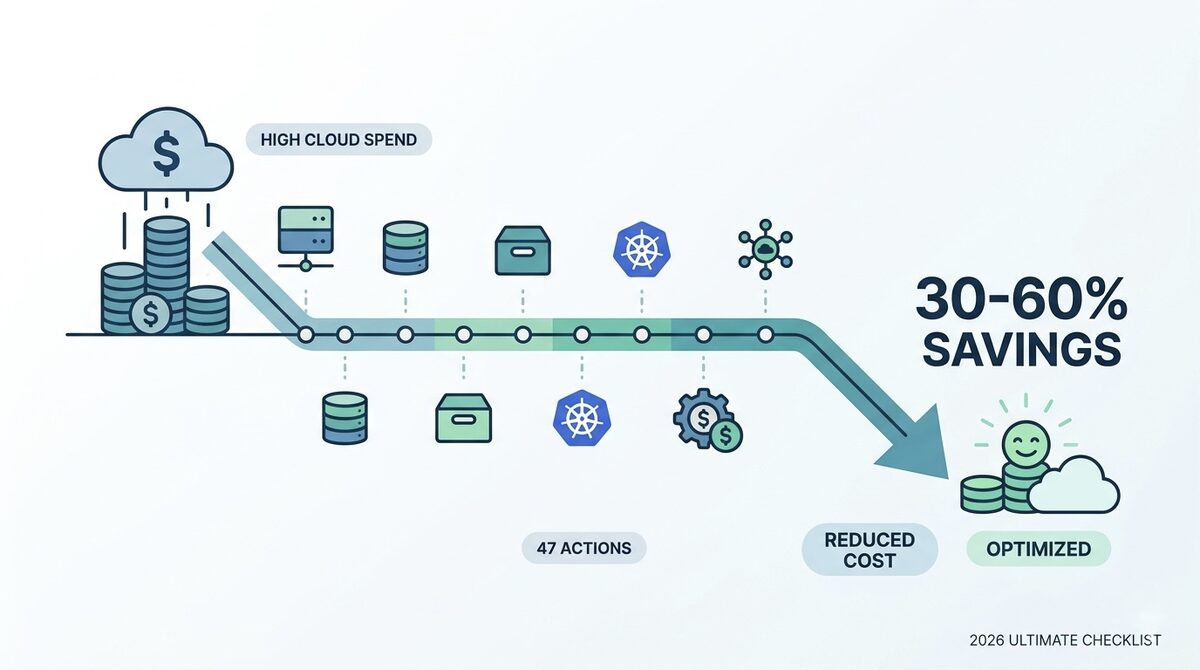
- 30% cost reduction in the first quarter
- Complete visibility of Kubernetes workloads by namespace
- Faster releases due to predictable cloud spend
They then reinvested these savings into a cloud migration strategy and application modernization initiative.
Multi-Cloud Expense Tracking Checklist
| Task | Status |
|---|---|
| Consolidate AWS, Azure, and GCP billing | ☐ |
| Implement resource tagging policy | ☐ |
| Deploy anomaly detection tool | ☐ |
| Configure cost-to-project mapping | ☐ |
| Align cost savings to modernization roadmap | ☐ |
Use this checklist to ensure your FinOps practice evolves from reactive reporting to proactive optimization.
Driving Infrastructure Modernization Through Cost Intelligence
Cloud cost optimization is no longer an isolated FinOps task. It is a pillar of modern infrastructure and hybrid cloud modernization. By combining expense tracking tools with predictive analytics, teams can:
- Reduce cloud waste before it impacts margins
- Accelerate DevOps transformation with financially optimized workflows
- Justify cloud migration and legacy system modernization initiatives
For organizations scaling in 2026, integrating cloud financial management into infrastructure modernization ensures that cost efficiency and reliability move hand in hand.
Next Step: Learn how our Cloud Cost Optimization & FinOps services can help you implement best-in-class multi-cloud governance.
For additional insights, explore the FinOps Foundation for community-driven best practices.